


Lintaspedia.com – 30 Mei 2026 |

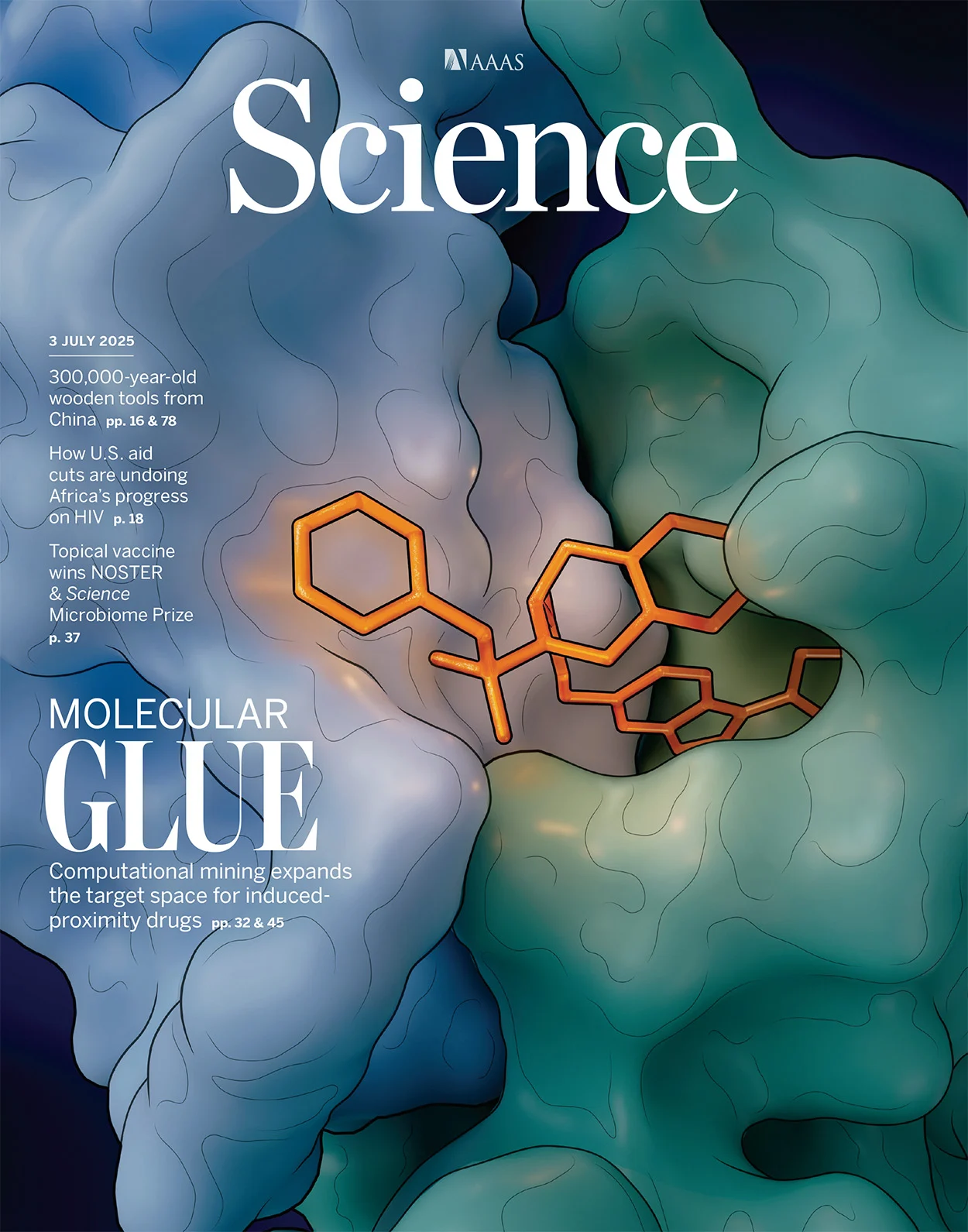
Get the latest news delivered daily! Get the latest news delivered daily! One of the biggest advances in pancreatic cancer in decades came out of a crazy idea born in a Harvard University lab. Chemical biologist Gregory Verdine believed you could fight disease-causing proteins hidden inside cells by chemically gluing them to something else in the body and smothering them. “Everybody told us this is crazy, that it would never work,” he recalls. Revolution Medicines Inc., which bought one of Verdine’s companies in 2018, recently announced that one of its drugs doubled the typical survival time for patients with aggressive forms of the disease, from 6.7 months to 13.2 months. The full results from the company’s final-stage trial are expected to be the star of the show at the annual confab of cancer doctors in Chicago this weekend. Spurred by the success of RevMed, numerous companies are now racing to develop similar drugs, dubbed “molecular glues,” which can be used to treat a variety of ailments. And investors and pharmaceutical companies with deep pockets are chasing after them, creating one of the hottest corners of dealmaking in the industry. It’s not unusual for exciting new drugs to spark surges in stock prices and dealmaking frenzy. But molecular glue is a particularly complicated science, and the startups pursuing technologies similar to RevMed are mostly in early stages of testing. Their medicines won’t be ready for years, if ever. That hasn’t stopped big drugmakers such as Novartis AG, Roche Holding AG and Eli Lilly & Co. from inking research pacts with glue developers that could pay out billions of dollars in milestones. The boom has been especially lucrative for Monte Rosa Therapeutics Inc. Over the past three years, the Boston-based biotech firm has signed three agreements that could be worth over $10 billion to develop molecular glue drugs with both Novartis and Roche. The company, which trades under the stock ticker GLUE, has seen its shares surge nearly 400% over the past year. It’s preparing to start mid-stage trials for multiple drugs by the end of this year. “The run-up in the share price is justified based on what we’ve seen so far,” says Robert Driscoll, an analyst at Wedbush who covers Monte Rosa and RevMed, whose stock has quadrupled over the past 12 months. The gains are “due to the success of their drugs rather than kind of exuberance around the glue technology as a whole,” he says. Molecular glues work in a fundamentally different way from other oral medicines. Most pills — like Prozac for depression or Lipitor for cholesterol — are tiny chemicals that squeeze into a pocket inside a much larger protein to gum up its functioning. But many proteins have few obvious pockets, including key cancer-causing proteins. In fact, about 80% of all proteins in the body are what scientists refer to as “undruggable,” meaning they can’t be targeted with traditional drug technologies. RevMed’s daraxonrasib cleverly circumvents this problem by acting as a molecular stickum. Once inside the body, it binds to a healthy protein on one side, and then draws in the bad protein to stick to the other side. The healthy protein helps block the bad protein and turn off its signaling.